The Sabbatical That Changed My Career: Lessons from a Year Living the “Good Life”
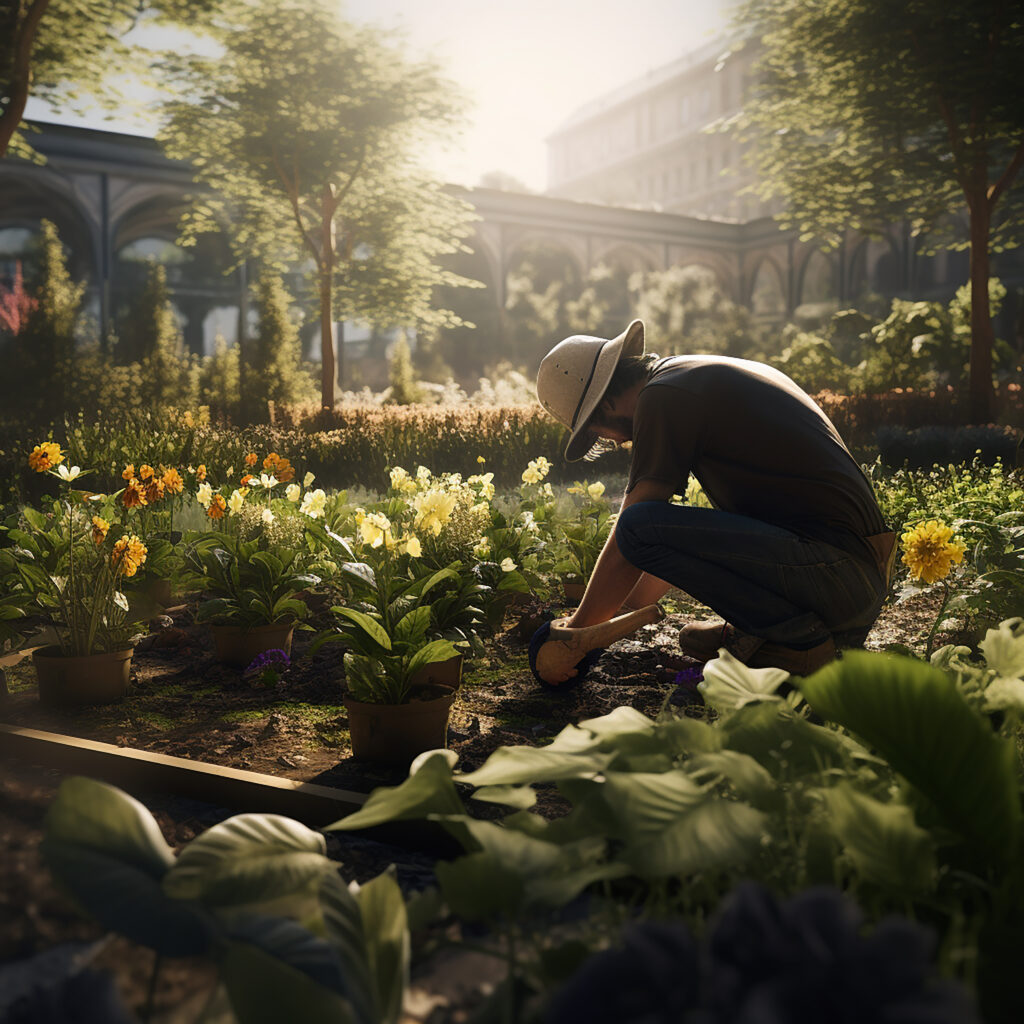
In 2011, I did something that raised more than a few eyebrows: I stepped away from the corporate world, moved to a smallholding in Marlborough, and committed to trying “The Good Life.” No strategy decks. No programme boards. No transformation plans. Just a plot of land, a collection of livestock, and an ambition to slow down long enough to understand what really mattered.
What began as a personal experiment became one of the most professionally valuable periods of my life.
From Chickens and Ducks to Pigs, Sheep, and Turkeys
We already kept a handful of chickens and ducks as a family hobby. But with one and a half acres available, I took things several steps further — expanding our setup to pigs, sheep, geese, turkeys, and more poultry. Mornings started with feed rounds, afternoons with fencing repairs or veterinary calls, and evenings with a deep, satisfying tiredness you don’t get from a laptop screen.
I sold fresh, free-range meat locally, met dozens of people in the community, and rediscovered a sense of purpose completely unrelated to my job title.
It was brilliant. And it was hard.
When Reality Checks In
By late 2012 the truth became unavoidable: running a smallholding full-time wasn’t financially sustainable unless I scaled significantly. And scaling would have meant turning a lifestyle decision into a commercial farming enterprise.
That wasn’t the dream.
So I made the decision to keep the smallholding as exactly that — something small. A place to grow my own veg, raise a few animals ethically, and stay grounded. But not a career.
And that decision, oddly enough, is what pushed me back into business with more clarity than I’d ever had before.
What a Sabbatical on a Farm Taught Me About Leadership and Consulting
1. Growth without intention is chaos
Expanding my livestock taught me firsthand what organisations learn the hard way: increasing scale multiplies complexity. Every new animal brought new requirements, interdependencies, and risks.
Companies are the same — add a new service, system, team, or market without clear intention, and suddenly everything becomes harder to manage. That lesson now shapes how I approach operating model design and digital transformation.
2. Sustainability must be designed, not assumed
The smallholding worked wonderfully… until I calculated the long-term financials. Sustainability isn’t about enthusiasm — it’s about structure. In consulting, I see the exact same pattern: initiatives launched with passion often falter because sustainability wasn’t engineered in from day one.
3. Community is a powerful force
Selling locally wasn’t just about income; it was about connection. I understood the value of community relationships, trust, and transparency in a way that corporate metrics never quite capture. Today, whether I’m working with utilities, transport, healthcare, or public sector clients, I think in terms of ecosystems — not silos.
4. Simplicity is a competitive advantage
On the farm, unnecessary complexity cost time, resources, and sleep. In business, it costs money, morale, and momentum. My time as a smallholder refined my instinct to simplify — operating models, systems, processes, decision-making. If it doesn’t add value, take it out.
5. Perspective is transformational
Stepping away from my career didn’t stall it; it catapulted it. That year gave me the perspective to reset my priorities, understand what I wanted from my work, and ultimately return with sharper focus, more empathy, and far better leadership capability.
A sabbatical doesn’t take you away from your career — it gives you a better vantage point to see it.
Bringing It All Back
I still keep the smallholding going today, just on a smaller scale. It reminds me daily of why I do the work I do, and keeps me grounded in the reality that every organisation — like every farm — is made up of people doing their best with the resources they have.
And that year “away” is still one of the most professionally developmental periods of my life.
If you’re considering a sabbatical, I can’t recommend it enough. Not as an escape, but as a recalibration.
Sometimes you have to step outside your world to truly understand how to change it.